Búsqueda avanzada
Buscar
 

Entra en BiblioEteca...

Disfruta de todo el potencial de biblioEteca entrando con tu usuario...


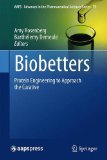
BIOBETTERS


AUTOR: ; ND
 
 
  • Portada de BIOBETTERS

    9781493925421

 
Compartir: Compartir con un amigo de biblioeteca Compartir por email Compartir en Facebook Compartir en X Capturar código QR Añadir RSS

Sinópsis del libro:

  • ?Biobetters: Protein Engineering to Approach the Curative? discusses the optimization of protein therapeutic products for treatment of human diseases. It is based on the fact that though numerous important therapeutic protein products have been developed for life threatening and chronic diseases that possess acceptable safety and efficacy profiles, these products have generally not been reexamined and modified for an improved clinical performance, with enhancements both to safety and efficacy profiles. Advances in protein engineering, coupled with greatly enhanced understanding of critical product quality attributes for efficacy and safety, make it possible to optimize predecessor products for clinical performance, thereby enhancing patient quality of life and with the potential for great savings in health care costs. Yet despite such knowledge, there is little movement towards such modifications. This book examines engineering protein therapeutic products such that they exhibit an optimal, not just an adequate, clinical performance profile. Two product classes, therapeutic enzymes for lysosomal storage diseases (enzyme replacement therapies, ERT) and monoclonal antibodies (mAbs), are used as examples of what modifications to such proteins could be made to enhance clinical performance, ?closer to a cure? as it were. For ERT, the key to optimizing clinical performance is to ensure the ERT is endowed with moieties that target the protein to the relevant target tissue. Thus, for Gaucher Disease, our best example of how to optimize an ERT to address a disease that manifests in specific target tissues (macrophages and monocytes), the enzyme has been extensively modified to target macrophages. For diseases such as Pompe Disease, largely a disorder of muscle, optimal performance of ERT will depend on endowing the enzyme with the ability to be taken up via the Mannose 6 Phosphate Receptor, and so one of the chapters in the book will discuss such approaches. Moreover, a major failure of biotechnology based products is to gain access to the CNS, a key target tissue in numerous diseases. Thus, a chapter has been devoted to strategies to access the CNS. Additionally, immune responses to therapeutic proteins can be highly problematic, eliminating the efficacy of life saving or highly effective protein therapeutics. This is especially poignant in the case of Pompe Disease wherein great improvement in muscle strength and functionality is lost following development of an immune response to the ERT with consequent patient deterioration and death. Thus, a chapter regarding protein engineering, as well as other non-clinical approaches to diminishing immunogenicity is a valuable part of the book. Monoclonal antibodies (mAbs) can be engineered to bind targets relevant to a wide variety of diseases; binding affinity, however, is only part of the equation and one of the chapters will present a molecular assessment approach that balances affinity with pharmacokinetics and manufacturability. As with other proteins immunogenicity can be problematic, being responsible for loss of efficacy of anti-TNF mAbs, often after prolonged successful treatment. The authors will also share their perspective on the consequences of physico-chemical modifications occurring to mAbs once they reach the circulation or their target, a research area open to further development from a protein engineering as well as analytical perspective. This book will also discuss novel platforms for protein therapeutics, technologies that exceed mAbs with respect to potency, and hence, potentially efficacy. These platforms consist largely of repeat domain proteins with very high affinity for their target ligands, but while potentially more efficacious, immunogenicity may be a major problem limiting use. The economics surrounding the issue of biobetters is another high-profile issue - this final chapter will explore the incentives and disincentives for developing biobetters and consider incentives that might make their pursuit more rewarding. ?

    Idioma: INGLÉS


Clasificador

Según nuestros usuarios

RIGUROSO
Riguroso

Determina lo preciso o impreciso que es este libro con respecto a lo que se cuenta en el mismo. 0 significa que es completamente impreciso y 10 que cuenta es rigurosamente verídico

Más información
DIVERTIDO
Divertido

Determina lo divertido que te ha resultado el libro: 0-aburrido 10-muy divertido

Más información
COMPLEJO
Complejo

Determinamos lo complejo que nos ha resultado la lectura del libro. Desde el nivel más bajo, que indica que es un texto secillo de comprender hasta el valor máximo que indica que es complejo de comprender

Más información
SORPRENDE
Sorprende

Indica lo sorprendente que resulta el argumento del libro, desde 0: previsible hasta 10: totalmente desconcertante y sorprendente

Más información


Etiquetas de otros usuarios

Así han etiquetado este libro más usuarios

Así han etiquetado otros usuarios este libro. Si ves acertada su elección puedes añadir la etiqueta con un simple clic a tus etiquetas



Comentarios de los lectores


Yo Leo

Información para lectores

Anillo de blogs

¿Tienes un blog?

Paga si te gusta

La forma de pago del futuro...

BiblioEtecarios

Ayudanos con los libros

Yo Escribo

Si eres autor, descubre más...

Ayuda

Todo lo que puedes hacer en la web
C/ Mayor, 50, 2C.
28921 Alcorcón (Madrid)
Tel/Fax : 91 288 73 76
E-mail : info@biblioeteca.com

BiblioEteca en Rss

 
Copyright © 2026 BiblioEteca Technologies SL - Todos los derechos reservados