Búsqueda avanzada
Buscar
 

Entra en BiblioEteca...

Disfruta de todo el potencial de biblioEteca entrando con tu usuario...


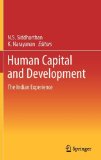
HUMAN CAPITAL AND DEVELOPMENT


AUTOR: ; ND
 
 
  • Portada de HUMAN CAPITAL AND DEVELOPMENT

    9788132208563

 
Compartir: Compartir con un amigo de biblioeteca Compartir por email Compartir en Facebook Compartir en X Capturar código QR Añadir RSS

Sinópsis del libro:

  • The papers included in this volume cover several aspects of human capital. It starts with the role of human capital in influencing productivity, employment and growth of employment. The chapters show that Indian States that have been neglecting schooling and health facilities have become victims in terms of low productivity and lower rates of employment. Consequently, employment cannot be increased without spending on education and health. Furthermore, the unorganised sector in India cannot provide gainful employment as productivity in this sector is low and is also declining. Skill intensity influences mainly productivity in the organised sector. As a result, states that have been neglecting human capital would lose on both counts. The chapters also reveal that human capital could be substituted for energy use and help in reducing energy consumption and pollution. India is also one of the important exporters of human capital and the non resident Indians send remittances back to India. The volume indicates that remittances play a significant role in poverty reduction and increase in per capita consumption levels. In addition remittances, unlike foreign direct investments and portfolio investments, are less erratic and are not influenced by slowdown in the world economy. Poverty could also be directly attacked through the use of anti poverty programmes like NREGA. This volume provides an analytical framework and a theoretical model to analyse the impact of these programmes to examine their influence on labour demand, income, prices and productivity. The volume also emphasises the crucial role of the government in directly running education institutions. As seen from the volume government run engineering institutions are technically more efficient than the private run ones.

    Idioma: INGLÉS


Clasificador

Según nuestros usuarios

RIGUROSO
Riguroso

Determina lo preciso o impreciso que es este libro con respecto a lo que se cuenta en el mismo. 0 significa que es completamente impreciso y 10 que cuenta es rigurosamente verídico

Más información
DIVERTIDO
Divertido

Determina lo divertido que te ha resultado el libro: 0-aburrido 10-muy divertido

Más información
COMPLEJO
Complejo

Determinamos lo complejo que nos ha resultado la lectura del libro. Desde el nivel más bajo, que indica que es un texto secillo de comprender hasta el valor máximo que indica que es complejo de comprender

Más información
SORPRENDE
Sorprende

Indica lo sorprendente que resulta el argumento del libro, desde 0: previsible hasta 10: totalmente desconcertante y sorprendente

Más información


Etiquetas de otros usuarios

Así han etiquetado este libro más usuarios

Así han etiquetado otros usuarios este libro. Si ves acertada su elección puedes añadir la etiqueta con un simple clic a tus etiquetas

 
Publicidad Baliza v16 Baliza v16


Comentarios de los lectores


Yo Leo

Información para lectores

Anillo de blogs

¿Tienes un blog?

Paga si te gusta

La forma de pago del futuro...

BiblioEtecarios

Ayudanos con los libros

Yo Escribo

Si eres autor, descubre más...

Ayuda

Todo lo que puedes hacer en la web
C/ Mayor, 50, 2C.
28921 Alcorcón (Madrid)
Tel/Fax : 91 288 73 76
E-mail : info@biblioeteca.com

BiblioEteca en Rss

 
Copyright © 2026 BiblioEteca Technologies SL - Todos los derechos reservados